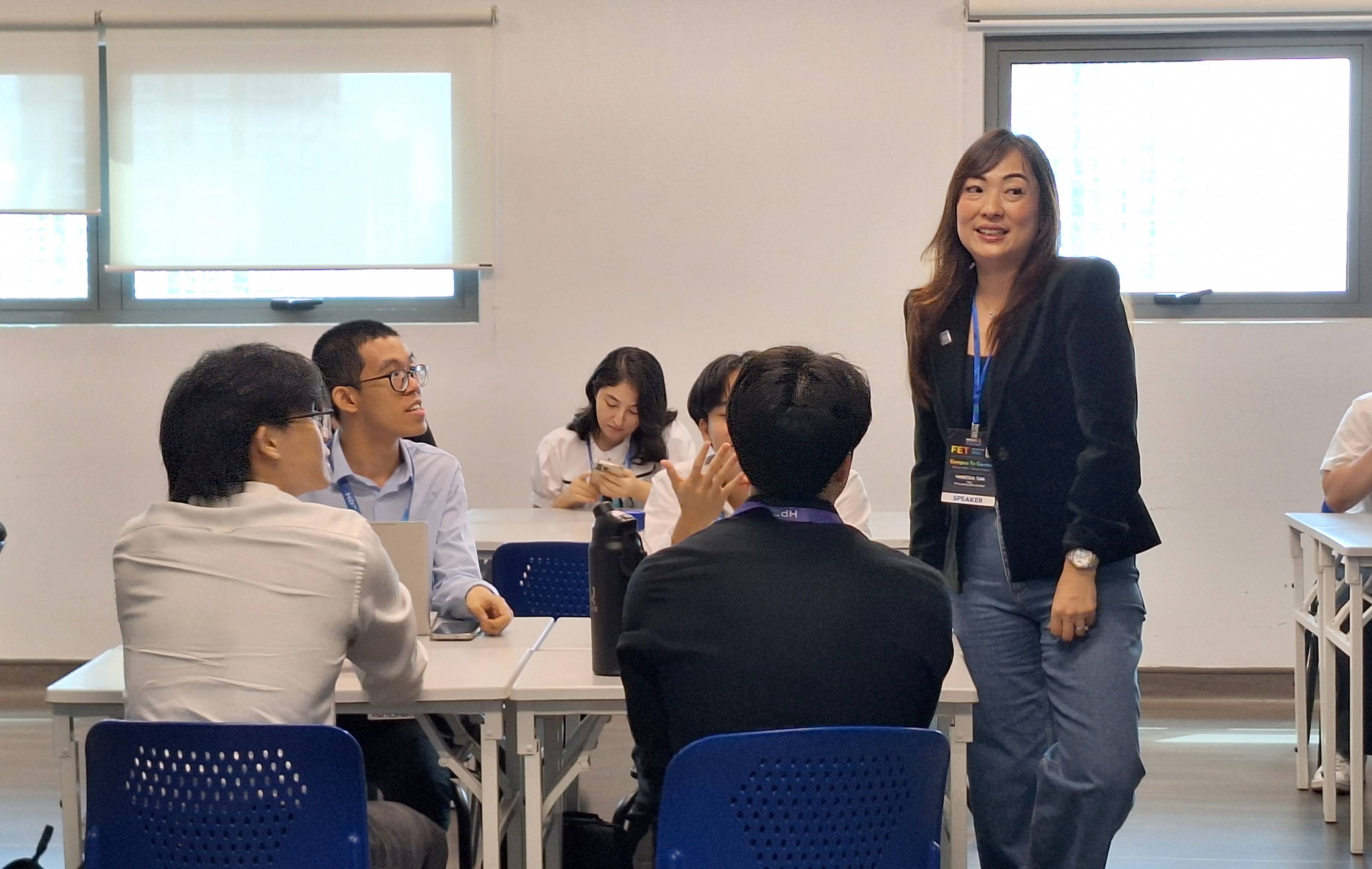
HT Consulting Cultivates a Culture of Openness and Collaboration
Communication is the engine that drives collaboration, productivity, and innovation. While its importance is universally acknowledged, being effective communicators remains a constant work-in-progress for many of us. Recognizing this, HT Consulting marked this year’s Mental Health Awareness Month by hosting a dedicated focus session on communication — honing in on 2024’s theme of “Mental Health in the Workplace.”
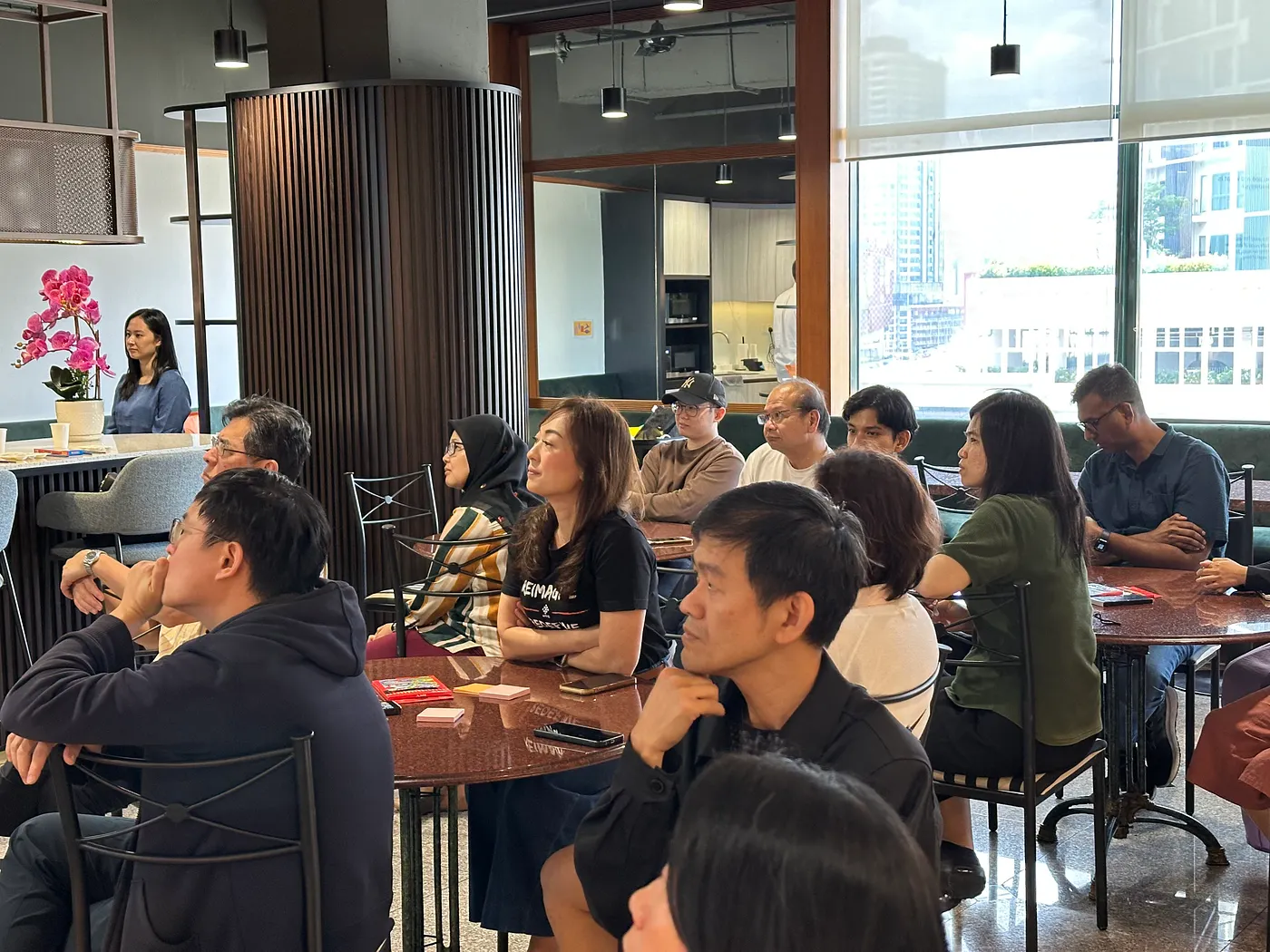
For the second consecutive year, we partnered with Re:mind Psychology Center to deliver a workshop aimed at addressing the evolving communication needs within our company. This year’s session, titled The Art of Communication, focused on breaking down communication barriers, fostering openness, and promoting flexible communication styles — all with the goal of improving both workplace productivity and employee well-being.
Here’s what we learned during this insightful event and why these lessons hold significant value for organisations everywhere.
Breaking Barriers: The Power of Comfort and Openness
At the heart of effective communication lies the ability to feel comfortable sharing ideas and perspectives. The workshop highlighted how crucial it is to foster a culture where our people feel safe and confident enough to speak up, without the fear of judgment or misunderstanding. Leading the workshop was Re:mind Psychology Center co-founder, Lynnette Chai — who stressed that this openness is not only key to encouraging collaboration but also to promote mental well-being within the workplace.
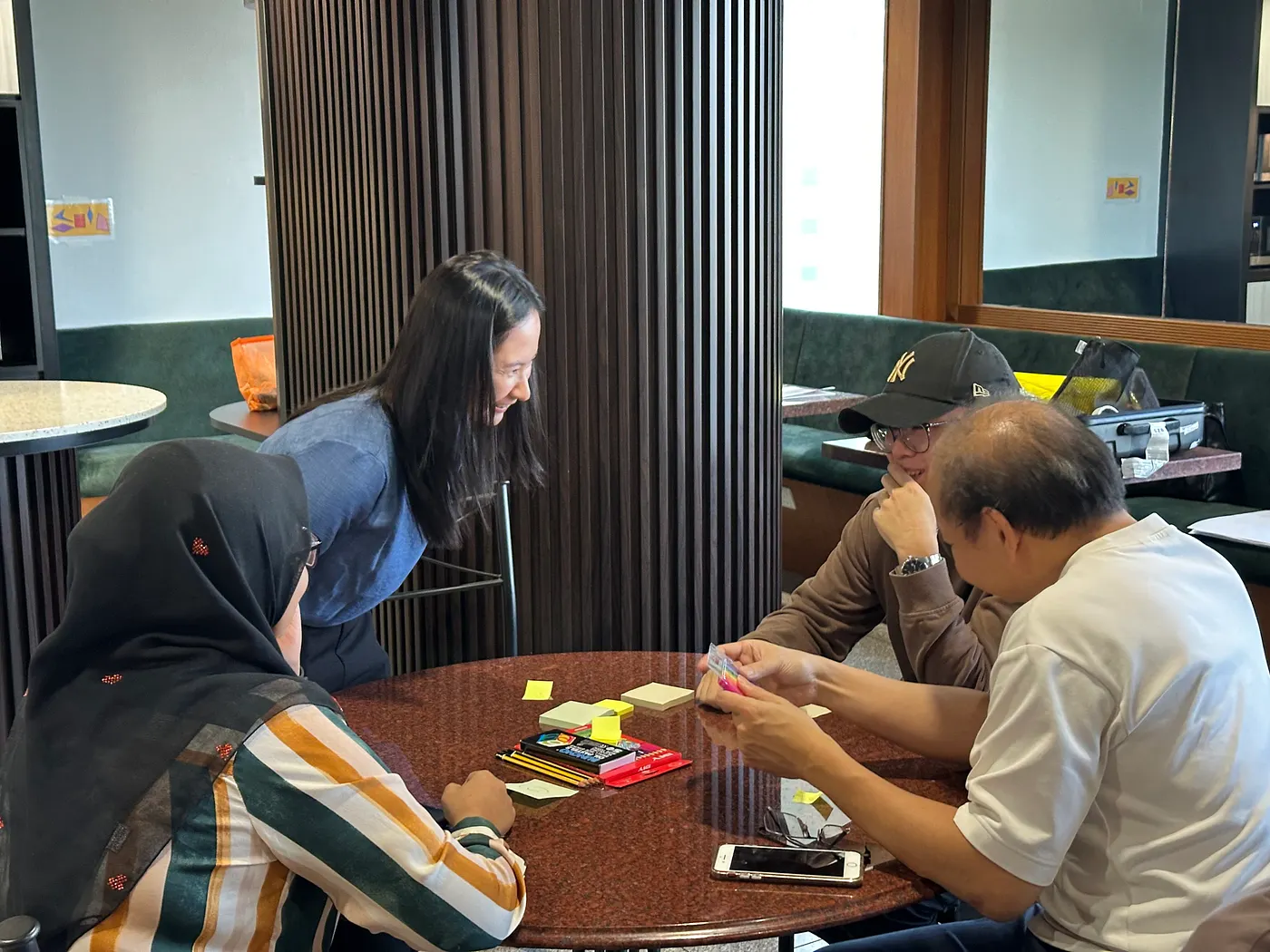
The workshop drove home the message that when employees feel safe to voice their thoughts, everyone benefits — ideas flow more freely, solutions are developed more collaboratively, and a sense of belonging is cultivated.
Adapting Styles: Flexibility in Communication Matters
Another key takeaway from the workshop was the need for flexibility in communication. Everyone processes information differently — what works for one person may not resonate with another. Recognizing and adapting to these individual preferences is a vital skill for any team looking to improve communication.
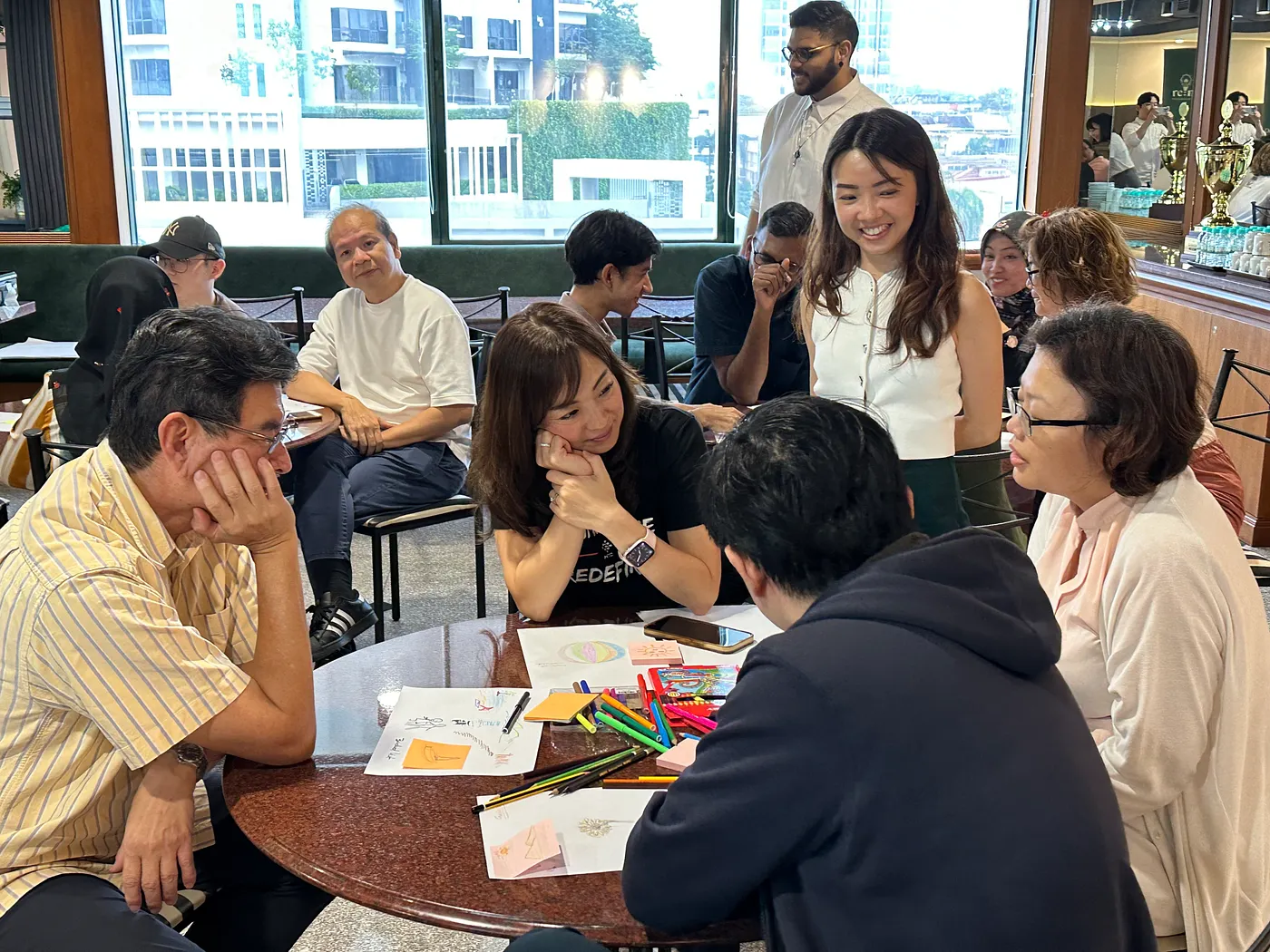
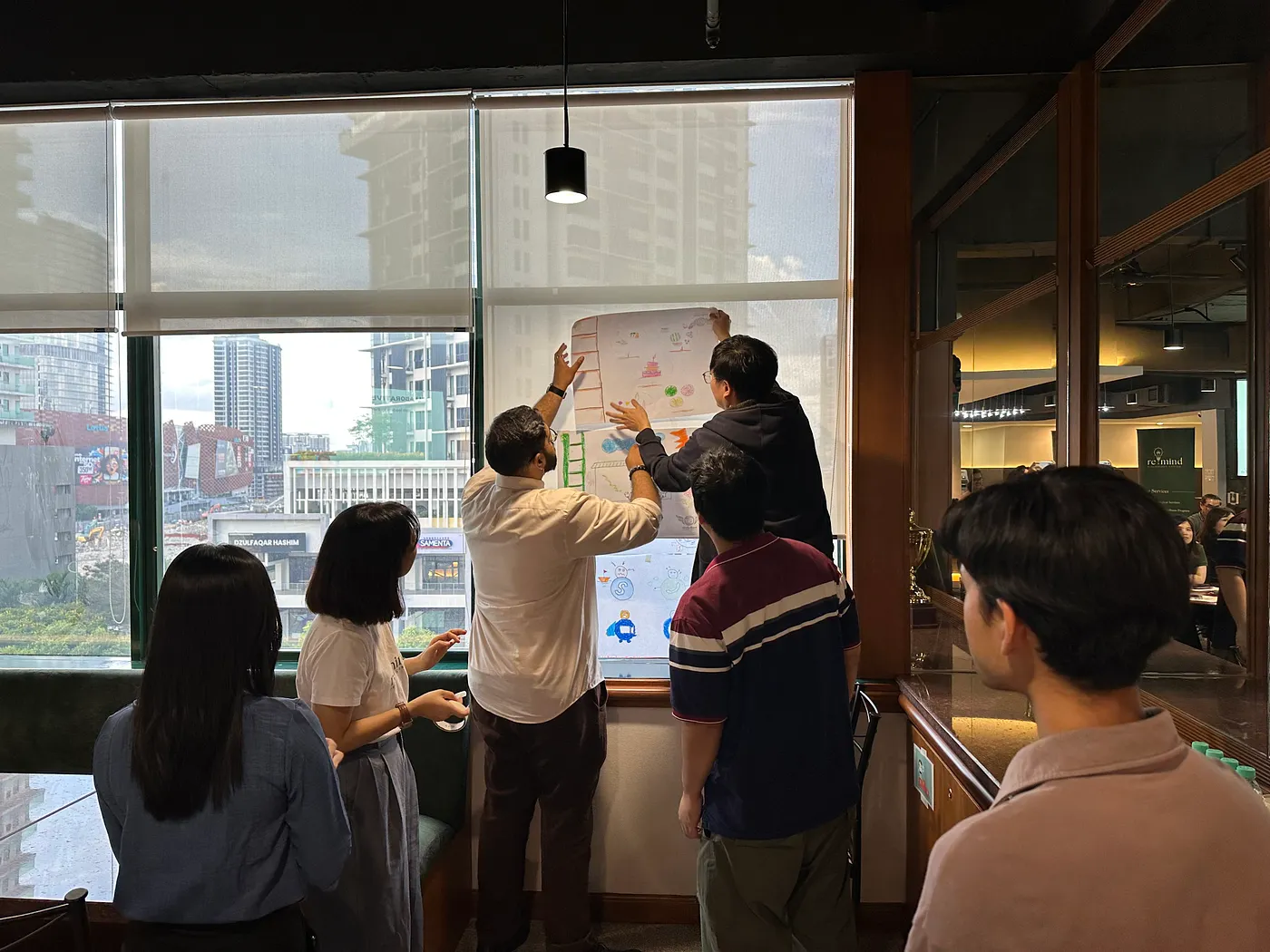
We were challenged to reflect on our communication styles through a series of art activities — starting off with an individual task and building up to a collaborative piece as the grand finale.
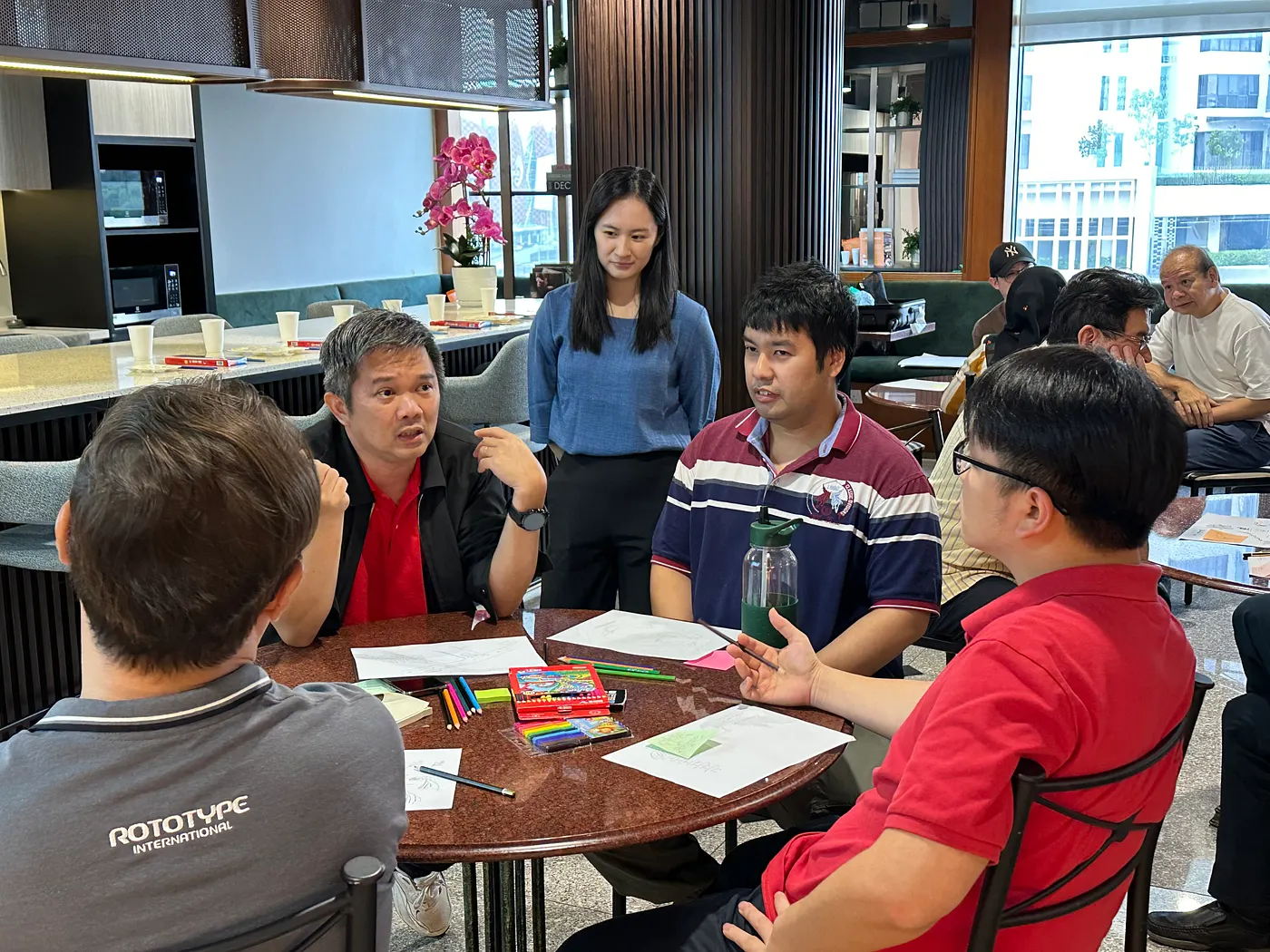
Some of us realised that we prefer detailed explanations, while others valued succinct, high-level overviews. The workshop underscored the importance of adapting each of our communication styles to match the preferences of our audience.
“Not everyone needs the same level of detail. Learning when to give more context and when to be brief has already made a big difference in how we communicate across teams.” a participant shared.
By understanding that communication is not a one-size-fits-all process, teams can create more effective and meaningful exchanges. Flexibility ensures that messages are not only conveyed but truly understood, which can significantly enhance workplace efficiency and reduce misunderstandings.
Ask First, Act Later: Avoiding Common Pitfalls
When faced with aggressive deadlines, the pressure to act quickly can often lead to miscommunication and the consequences can be costly. One of the standout lessons from the workshop was the importance of fully understanding a task before diving into it.
In the final segment of our workshop, we broke out into groups and simulated real-world scenarios where each group was assigned an art task and given a short time to complete it. This collaborative activity highlighted common pitfalls faced within certain groups where the tendency to rush into action without taking the time to ask clarifying questions led to missed details and loss of time.

The activity reminded us that asking questions early in the process is not a sign of hesitation but a smart strategy for ensuring success. Seeking clarity can prevent errors and demonstrate proactive engagement. It’s a simple but powerful shift in mindset that can have a lasting impact on workplace efficiency.
Communication as a Tool for Mental Health
While the primary focus of the workshop was on improving communication, an important secondary theme emerged: How communication can influence mental health. In an environment where employees feel heard, valued, and respected, stress levels are reduced, and overall job satisfaction increases.
We recognised that open, clear communication is essential for a positive work environment. When we know that our contributions are valued and that we can voice concerns without fear, it alleviates unnecessary stress and helps create a more supportive atmosphere.
This link between communication and mental health is especially pertinent in our workplaces today, where high levels of stress and burnout are increasingly common.
Sustaining the Momentum
The workshop was a resounding success, leaving us with tangible strategies to implement in our daily interactions. We hope to continue the momentum and apply the lessons learned to further strengthen cross-team collaboration.