By Vanessa Tan
CEO
Real reflections from a decade of watching interviews beside my hiring manager, and a recent Sunway University bootcamp of over 500 students, where I ran a workshop on making experience your greatest interview asset.
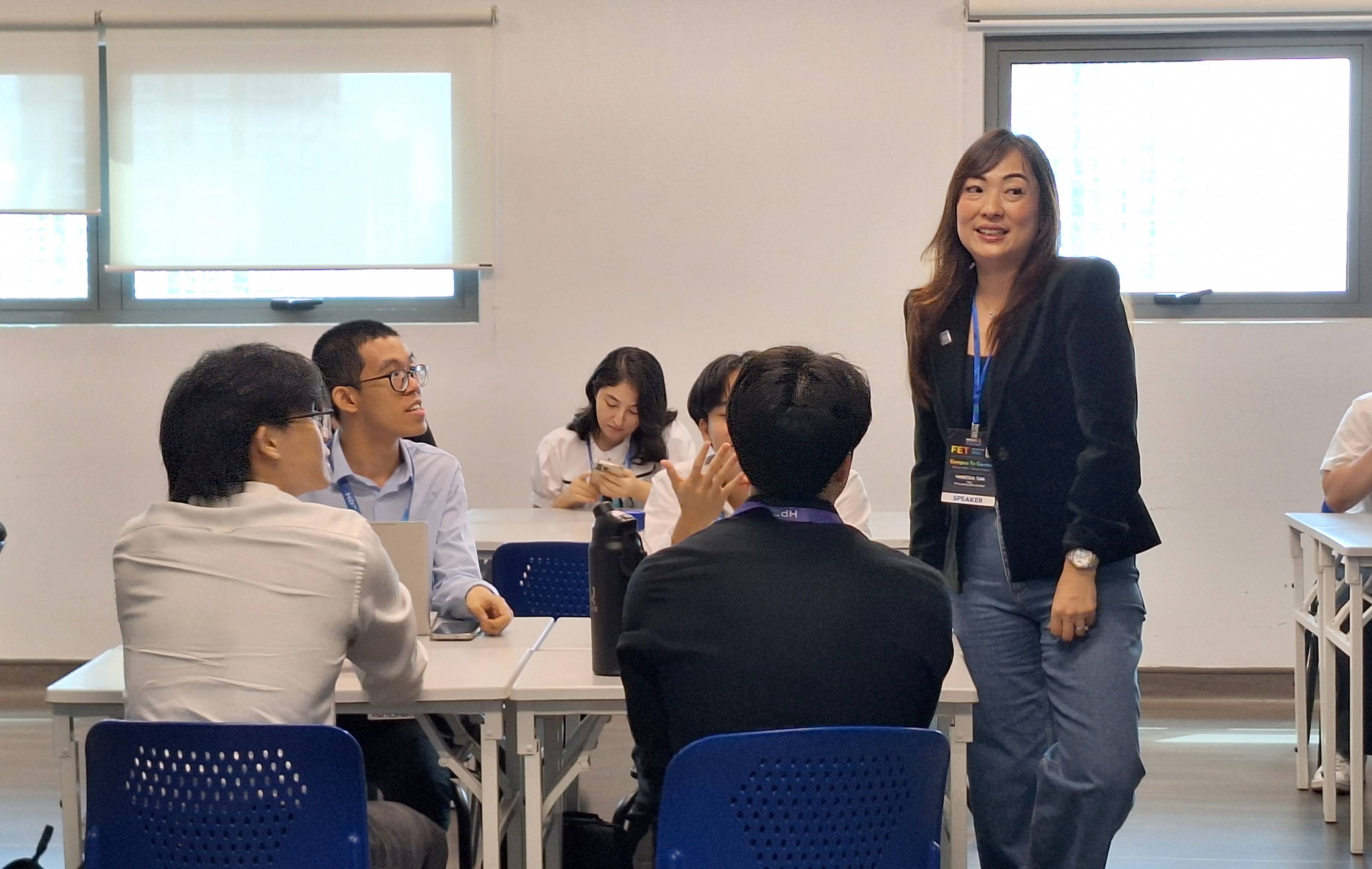
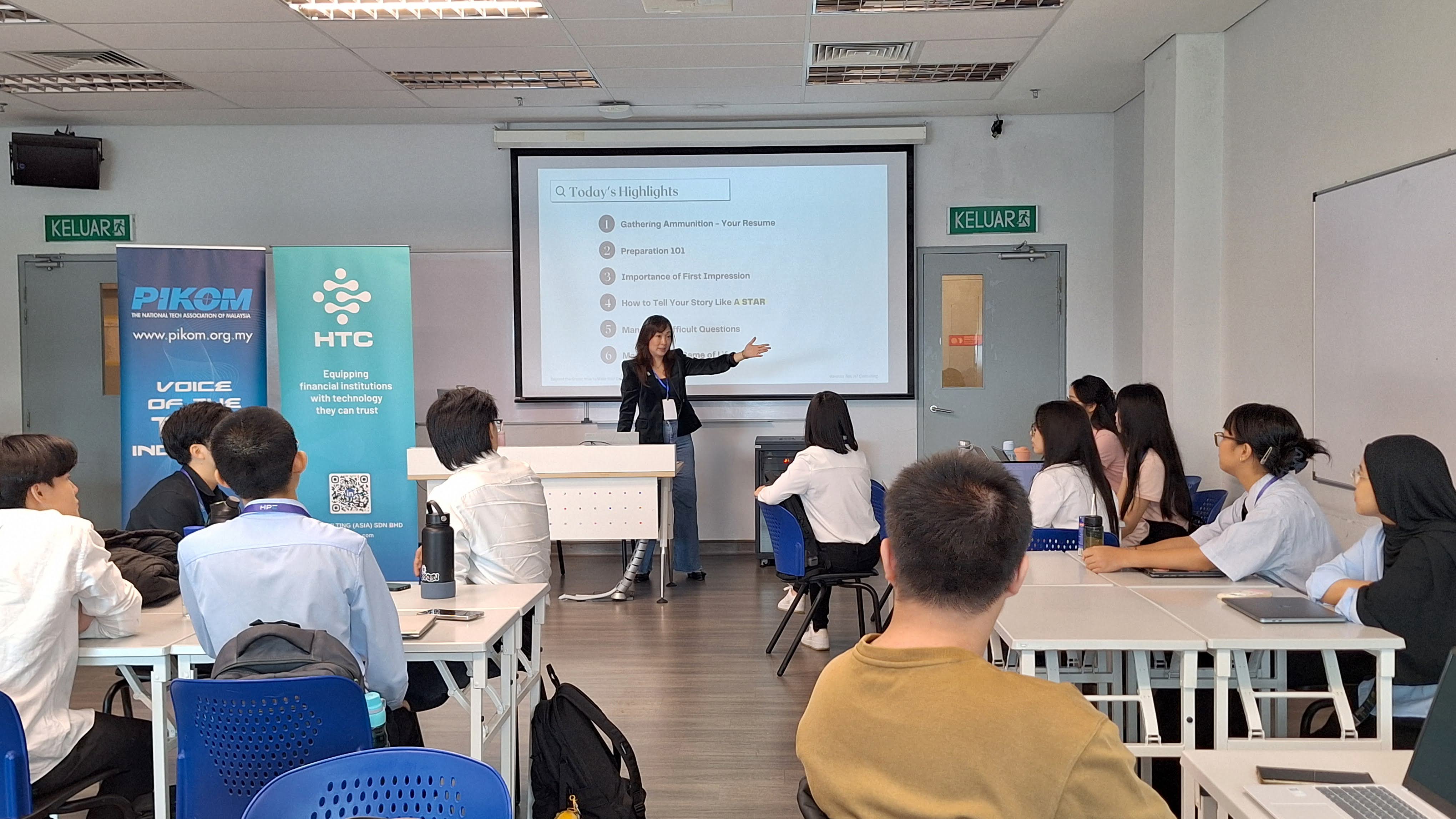
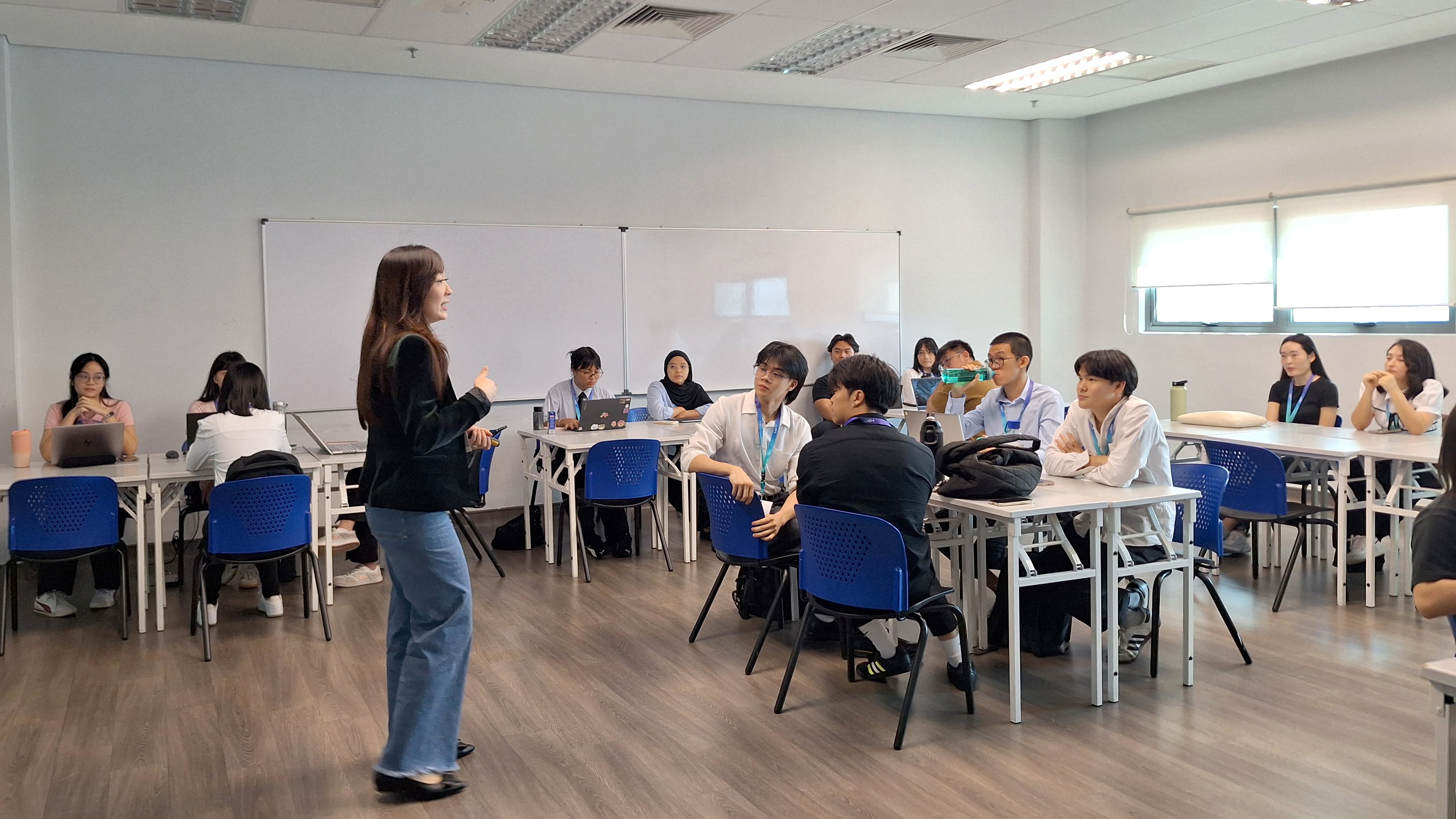
In June, Sunway University ran a Future-Enabled Talent Bootcamp that drew over 500 engineering and technology students. I facilitated one of the workshops – Beyond the Grade: How to Make Your Experience Your Greatest Interview Asset, for a room of forty. The premise was simple: grades are the starting line, not the finish line. What actually gets someone hired is knowing how to own what they've done, and say it clearly. That was the part of the slide deck. What I actually wanted to tell that room didn't fit on a single slide.
For the past ten years, I've sat in on hundreds of interviews. Not as the one asking the questions, but as the person next to my hiring manager, watching. That seat has taught me something most candidates don't realise until much later: your answers are only part of what's being read in that room. There's usually someone else watching too, and everything you do, whether you say it out loud or not, is information for both of us.
It starts with the handshake. Firm and present tells us someone's ready. Weak and hesitant, what I privately call “fish cold,” tells us something too, usually nerves, sometimes indifference, and honestly, we can't always tell which. Then there's how someone settles into the room: sitting like they belong there, or perched at the edge of the chair like they're ready to bolt. Where does their eye contact go? The ones who scan the room and acknowledge everyone in it - hiring manager and observer alike, read differently to us than the ones who fix on a single person. And before anyone answers a question, we notice how they listen to it. Are they actually absorbing what's being asked, or already rehearsing what they'd planned to say regardless?
It's a bit like a game of pickleball. Before the serve, before the ball's even crossed the net, both players are already reading each other's stance and grip. By the time the rally actually starts, most of that read is already done.
That instinct to read a room is exactly what struck me at Sunway in June. Many of the students in that hall were still in their second or third year, with internships and first interviews still ahead of them, yet they showed up and threw themselves into every discussion with a seriousness I hadn't expected. It told me something I already knew from the interview room: how someone shows up, long before they've said anything substantial, says a great deal.
Once the interview is actually underway, what we're watching for shifts – but the reading doesn't stop. Composure under a pause or a hard question tells us more than a polished answer ever could. So does whether an answer feels genuine or rehearsed. It's why, when I look at a resume before any of this even happens, I run every line through the same test: so what? What did you actually do, and what did it mean? The candidates who stand out in the room are the ones who can answer that question live: who can name a real challenge honestly and explain how they worked through it, and who connect what they've done before to whatever's actually being asked, instead of reaching for a stock answer that could belong to anyone.
What makes someone memorable to me, after watching this many interviews, is rarely the polish. It's the candidate who tells us a story instead of listing facts. It's the one who can draw a line from where they've been to where they're going. It's the one honest enough to name a gap without flinching, because that kind of self-awareness tells us more about judgment than a clean résumé ever could. Results matter, but for me, people have always mattered more. It's part of why I keep saying yes to workshops like the one at Sunway, not just the interviews back at the office.
I won't get to watch the forty students from that room walk into their first interview. But I hope some of what we talked about that day stays with them longer than the slides did. Your answers are only part of what's being read. So look around, and acknowledge everyone in the room too.